
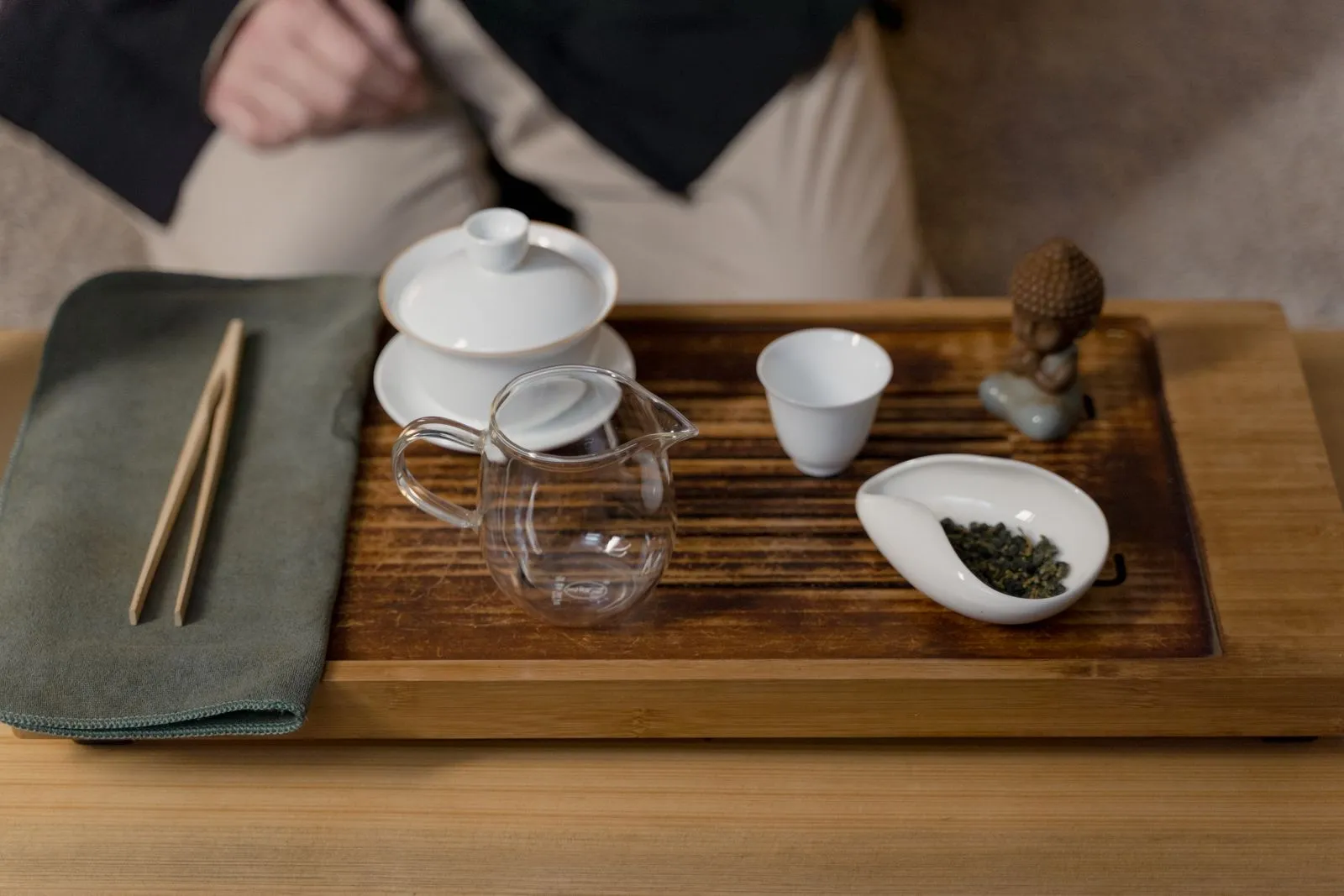
A tea meditation session offers a simple way to slow down and pay attention. You don’t need meditation experience or special knowledge of tea. The session usually follows a gentle rhythm: settle into the room, prepare tea with care, notice its aroma and warmth, then sip without rushing. Quiet reflection gives you time to observe what’s on your mind. Knowing this flow ahead of time can help you arrive with fewer questions and take part at your own pace.
Arrive and Settle In
A session often begins with a few minutes to get comfortable. You may be invited to choose a seat, set aside distractions, and notice your posture and breathing. There’s no need to force yourself to feel calm. Simply recognize how you’re arriving—perhaps tired, restless, or ready for a pause.
Your host may briefly explain the steps and answer practical questions, such as whether to speak during the session or how tea will be served. If you’re new, mention that. A good guide can make the process clear without asking you to perform or share more than you want.
Prepare Tea With Attention
Next, tea is prepared at an unhurried pace. You might watch the leaves being measured, water poured, and tea steeped, or take part in some of these steps yourself. The focus is not on getting everything perfect. It’s on noticing ordinary details, such as the sound of water, the movement of your hands, and the changing color of the tea.
As the tea steeps, pause to notice its scent and the warmth of the cup. These sensory details give your attention something simple to rest on. If your mind wanders, that’s normal. Gently return to what you can hear, see, smell, or feel rather than judging yourself for getting distracted.
Sip Slowly and Notice
When the tea is ready, take a small sip and notice its temperature, taste, and texture. You can set the cup down between sips and allow a little space before drinking again. There is no required tasting vocabulary or correct response. The aim is to experience the tea as it is, instead of drinking automatically while thinking about the next task.
Some sessions include quiet stretches, while others offer brief prompts to guide attention. Follow the room’s approach, but stay within your comfort level. You can participate silently, ask for clarification, or skip a step if needed. If the tea isn’t to your taste, you can still use the moment to notice its aroma, warmth, or the feeling of holding the cup.
Pause for Reflection
After the tea, the group may sit quietly for a few minutes. You might notice your breathing, check in with your body, or reflect on what stood out during the session. There’s no need to reach a conclusion. A thought, a sensory detail, or simply noticing that you feel unchanged can all be part of the experience.
The session usually closes gently, with time to put down the cup and return your attention to the room. If conversation follows, share only what feels comfortable. You can carry the pause into your day by taking one deliberate breath before your next task or enjoying your next cup without multitasking.
A tea meditation session is less about doing meditation perfectly and more about giving a familiar ritual your full attention. Arrive as you are, follow each step at a comfortable pace, and let quiet moments be quiet. If you’d like to experience this practice in Miami, contact Stillwater Tea Room to ask about session availability.